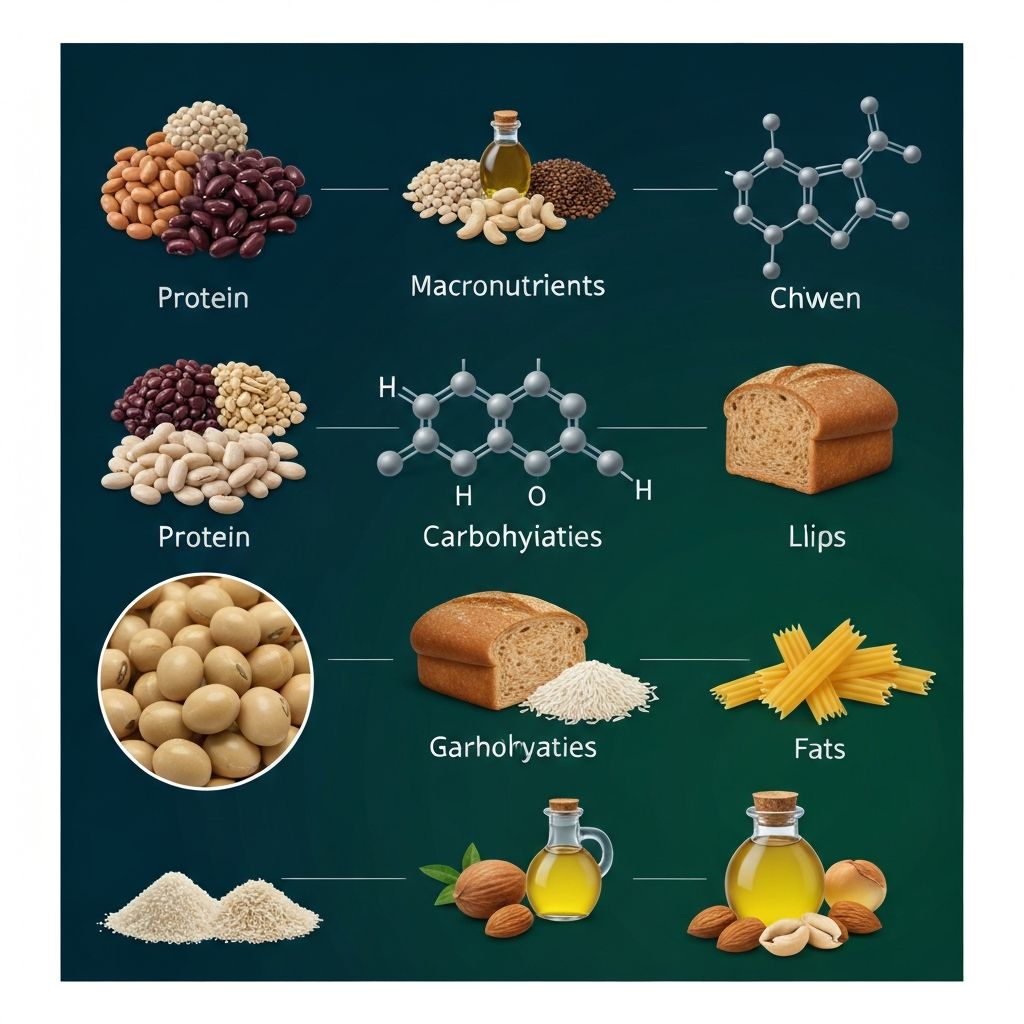
Proteins
Proteins are composed of amino acids and serve multiple critical functions. They are essential for building and repairing tissues, producing enzymes and hormones, supporting immune function, and maintaining fluid balance. When dietary protein is consumed, the body breaks it down into individual amino acids, which are then reassembled into the specific proteins the body needs.
Protein sources include both animal-based foods (meat, fish, dairy, eggs) and plant-based sources (legumes, nuts, seeds, whole grains). The variety of protein sources available allows for diverse dietary approaches while meeting protein requirements.
Carbohydrates
Carbohydrates are the body's primary source of energy. They are composed of glucose units and are broken down into glucose, which is used by cells for immediate energy or stored as glycogen in muscles and the liver. Carbohydrates are classified as either simple (monosaccharides and disaccharides) or complex (polysaccharides).
Whole-grain carbohydrates, vegetables, fruits, and legumes contain fiber and other beneficial compounds alongside their carbohydrate content, contributing to balanced nutritional intake.
Fats
Dietary fats serve as energy sources, support the absorption of fat-soluble vitamins, provide essential fatty acids, and play roles in cell membrane structure and hormone production. Fats are composed of fatty acids and glycerol. Different types of fatty acids have different physiological effects.
Sources include oils, nuts, seeds, avocados, fish, and other whole foods. The consumption of fats from diverse sources contributes to meeting essential fatty acid requirements.
Balance and Proportion
Different individuals may have different optimal proportions of macronutrients based on their age, activity level, health status, and other factors. Rather than a single "correct" proportion existing for all people, balance involves including all three macronutrient classes in patterns that support individual well-being.